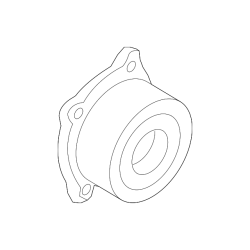
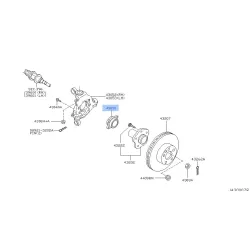
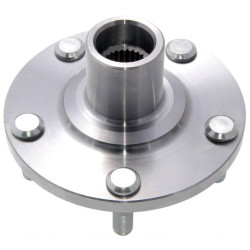
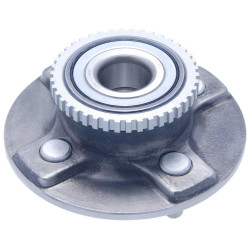
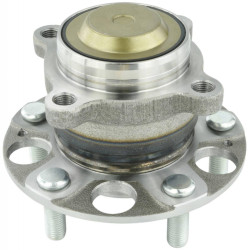
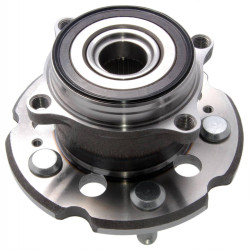
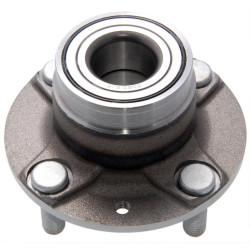
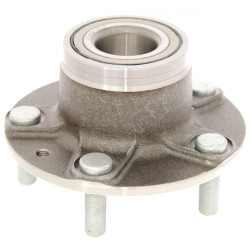
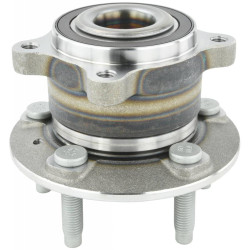
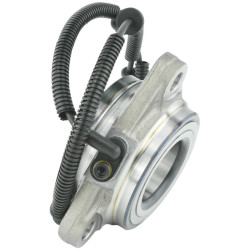
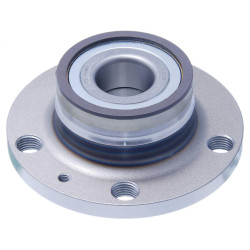
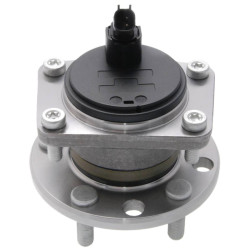
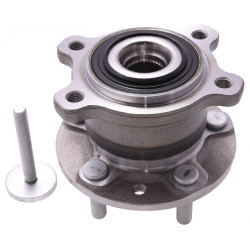
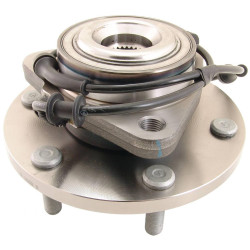
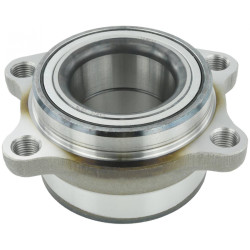
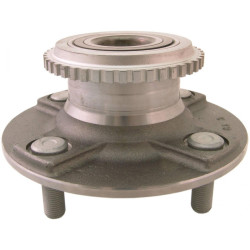
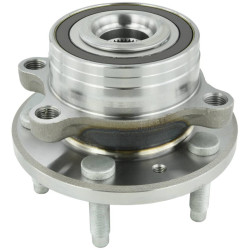
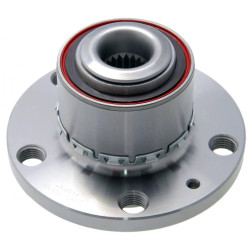
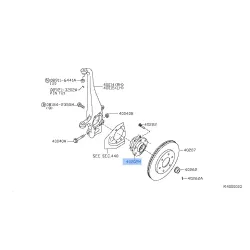
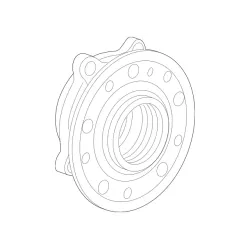
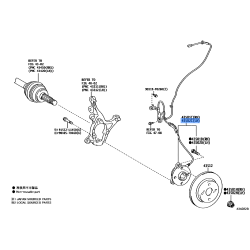
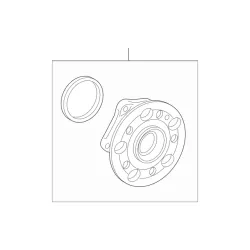
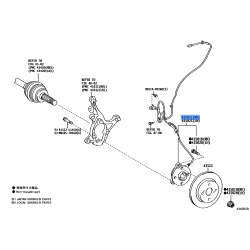
Wheel Hub
Wheel Hub for Stable Wheel Mounting
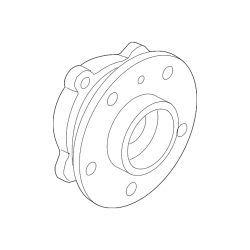
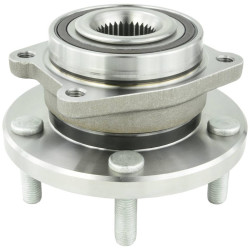
A wheel hub is one of those parts that rarely gets attention until something starts to go wrong. Yet it plays a central role in how the wheel sits, rotates, and stays aligned with the rest of the suspension system. The hub connects the wheel to the vehicle and works under constant load, dealing with road impact, cornering forces, braking stress, and everyday mileage. When this part is in good condition, the car feels stable, predictable, and smooth. When it wears out or gets damaged, you may notice vibration, noise, looseness, or reduced driving confidence.
In practice, choosing the right wheel hub is not just about replacing a worn part. It is about restoring proper wheel support and making sure the new component matches your vehicle exactly. Dimensions, axle position, mounting design, and compatibility with surrounding components all matter. A properly selected hub helps maintain correct wheel rotation, keeps the suspension working as intended, and supports safer everyday driving.
Why Does the Wheel Hub Bearing Matter?
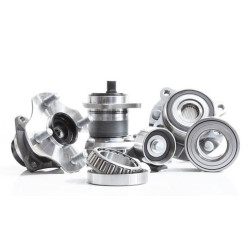
Many drivers search not only for a wheel hub, but also for a wheel hub bearing, and for good reason. In many applications, the bearing and hub work as one functional unit. The bearing allows the wheel to rotate smoothly, while the hub provides the structure that holds everything together and connects the assembly to the wheel and brake components. If one part of that system is worn, the entire setup can suffer.
That is why wheel hub bearing fitment should never be treated casually. A mismatch can lead to play in the wheel, premature wear, uneven load distribution, or installation problems. In some vehicles, replacing the complete assembly makes the most sense. In others, the repair approach depends on the design of the suspension and how the bearing is integrated. Either way, the goal is the same - stable mounting, smooth rotation, and dependable performance on the road.
Wheel Hub Assembly vs Separate Parts
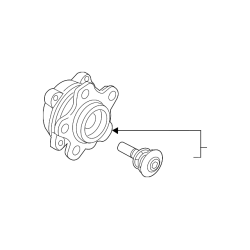
A wheel hub assembly is often the most practical solution when you want a more complete replacement. Depending on the vehicle, the assembly may include the hub itself together with an integrated bearing and, in some designs, other fitment-specific elements. This can simplify installation and reduce the risk of pairing incompatible components during repair. It is a good option for drivers and workshops that want a more direct and reliable replacement path.
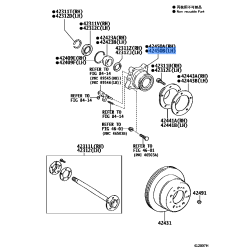
Separate parts still have their place, especially in systems designed for more individual servicing. But when a car requires a complete wheel hub assembly, it is worth sticking to the correct specification instead of trying to adapt a similar-looking part. The differences may seem small on paper, yet they can affect mounting accuracy, wheel position, ABS operation, and overall durability. With suspension and wheel-end parts, precision matters more than guesswork.
Front and Rear Fitment Are Not the Same
A front wheel hub and a rear wheel hub are not always interchangeable, even if they appear similar at first glance. The front axle usually works under more complex conditions because it often combines steering input, braking force, and higher dynamic load. Rear axle designs can be different in structure and load pattern, and some vehicles use specific hub solutions based on drivetrain layout, brake type, or sensor configuration.
This is exactly why vehicle fitment needs to be checked carefully before ordering. One wrong detail - axle side, mounting pattern, bearing type, or compatibility with ABS-related features - can turn a straightforward replacement into a wasted purchase. The safest approach is always to match the part to the exact vehicle specification, not just to the model name. That is especially important when the same car was produced with multiple suspension setups or market-specific versions.
Signs Your Wheel Hub May Need Replacement
Wheel hub wear does not always announce itself dramatically at the beginning. Sometimes the first symptoms are subtle - a humming sound that gets louder with speed, slight vibration through the steering wheel, or a feeling that the car is no longer as settled as it used to be. In more advanced cases, drivers may notice looseness in the wheel area, uneven tyre wear, or noise during cornering. These are not symptoms worth ignoring.
A worn hub or wheel hub bearing can affect more than comfort. It may influence handling stability, braking feel, and the lifespan of nearby components. Driving too long with a failing hub can also make the repair more complicated and expensive. Replacing the part at the right time is usually the better decision, both mechanically and financially. If the wheel-end system is showing clear warning signs, delaying the repair rarely helps.
Find the Right Wheel Hub at Auto Parts Market UAE
At Auto Parts Market UAE, we offer wheel hub solutions for drivers, workshops, and trade buyers looking for accurate fitment and dependable replacement parts. Whether you need a standard wheel hub, a wheel hub bearing solution, or a complete wheel hub assembly, the most important step is choosing the version that matches your vehicle exactly. That means checking the axle position, OE reference, dimensions, and the overall suspension setup before you buy.
We know that hub-related repairs leave little room for compromise. The right part should fit properly, install without unnecessary adaptation, and support long-term reliability once the vehicle is back on the road. Explore the range and choose a wheel hub that suits your car, your repair plan, and the level of performance you expect every day.