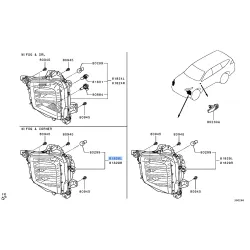
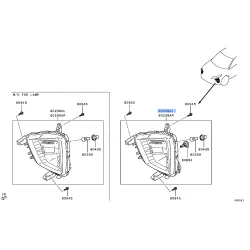
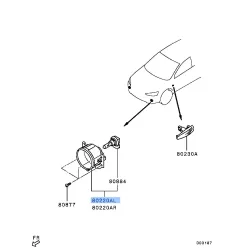
Fog Lights
Fog Lights Built for More Difficult Driving Conditions
Fog lights are designed to help improve visibility in weather conditions where ordinary lighting can be less effective, such as fog, heavy rain, or snowfall. HELLA describes fog lamps as a big plus for safety and highlights their role in helping drivers see and be seen in poor visibility. That is why fog lights remain a practical lighting component rather than just a styling detail on the front bumper.
Why the Right Fog Lamp Matters
A good fog lamp is not just about turning on - it is about producing useful light in the kind of conditions that reduce contrast and clarity. HELLA also notes that quality fog lamps provide powerful output and good visibility in difficult conditions, while its LED fog-lamp materials refer to wide, homogeneous illumination. In real driving, that translates into better short-range clarity when the weather is working against normal visibility.
We Offer Fog Lamp Assemblies for Many Vehicle Types
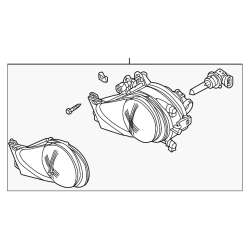
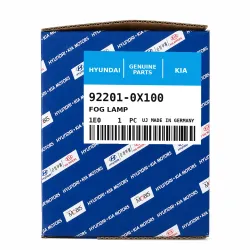
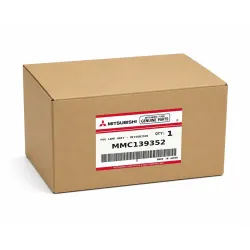
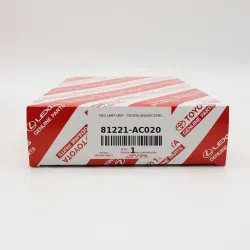
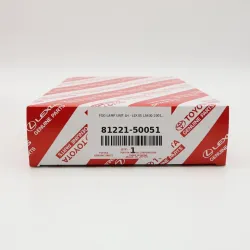
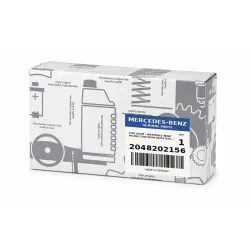
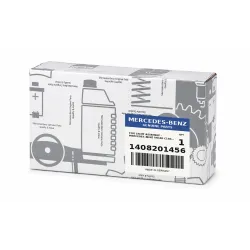
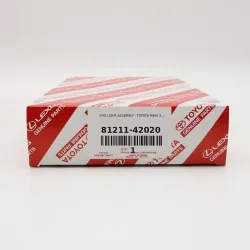
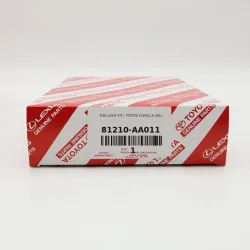
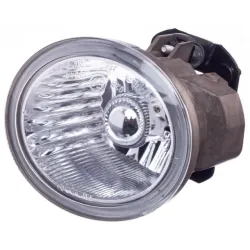
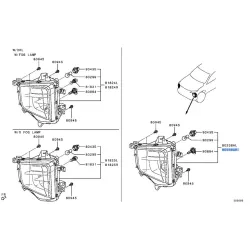
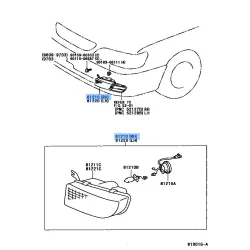
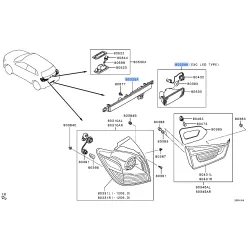
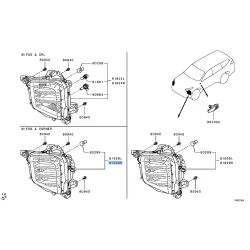
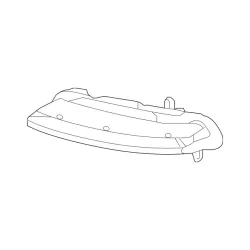
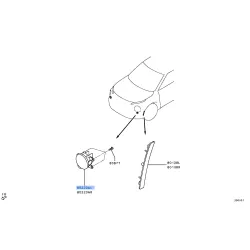
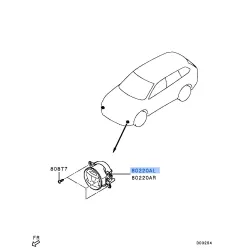
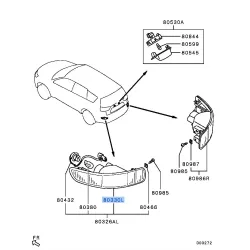
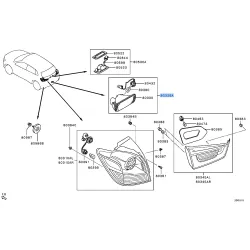
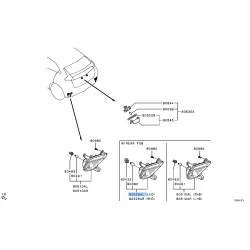
In our store, we offer fog light assemblies and fog lamp units for selected BMW, Toyota, Nissan, Mitsubishi, and Mercedes-Benz applications. The assortment includes left-hand and right-hand fog lights, bumper-mounted fog lamps, fog lamp kits, LED fog lamp units, and combined front fog and turn-signal assemblies for selected models.
Fitment, Side, and Lamp Design All Matter
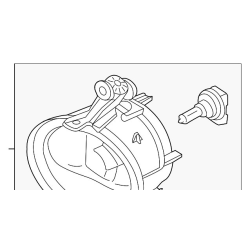
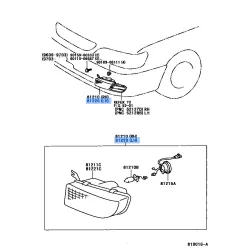
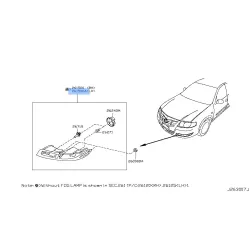
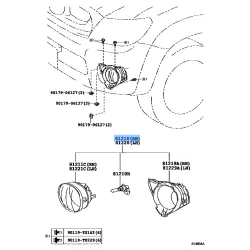
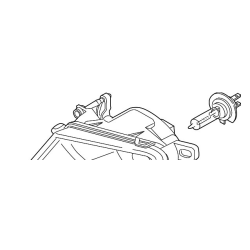
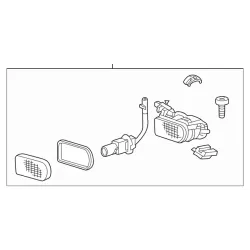
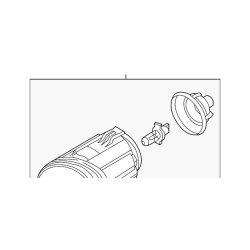
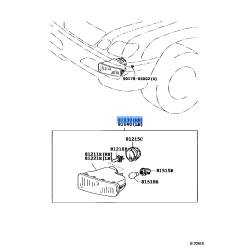
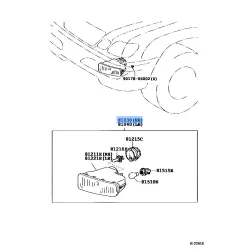
Fog lights are vehicle-specific parts, and details such as side, bumper shape, lamp housing, and OE reference can vary significantly even within closely related model lines. Some units are standalone front fog lamps, while others are integrated into multi-function front lighting assemblies. The right match helps the repair sit properly in the bumper and keeps the intended lighting function intact.
Fog Lights Earn Their Value When Conditions Turn Bad
There are plenty of days when fog lights are barely noticed. Then there are the days when weather cuts visibility down and the value of a proper lamp becomes immediately obvious. That is why this is one of those parts that proves itself not in perfect conditions, but in the moments when the lighting system has to work harder than usual.